
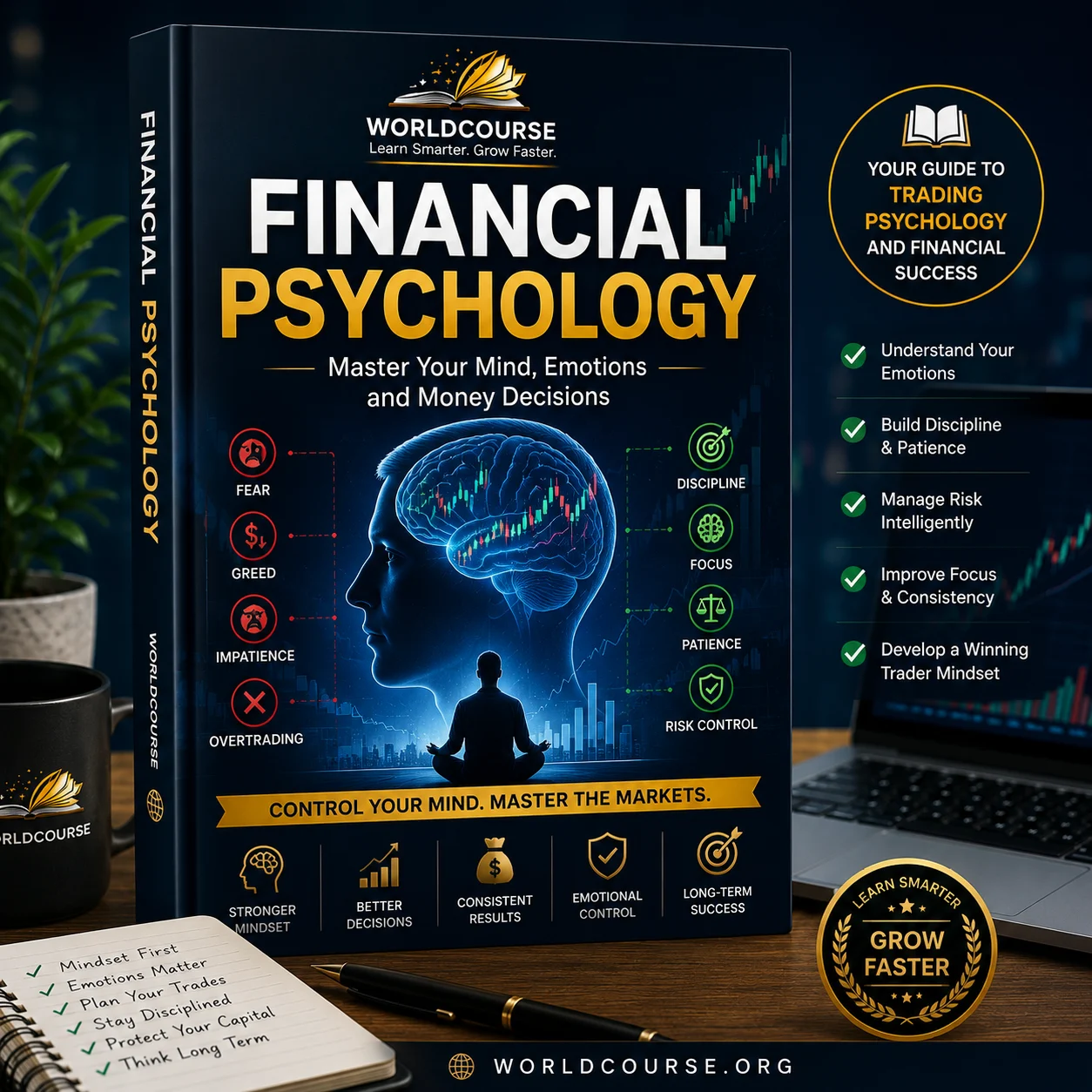


Somewhere between a YouTube video of someone flashing profits and your own curiosity about whether you could do the same, there’s a question worth actually sitting with: is day trading worth it, for you specifically, not for the person in the video. The Trading Psychology Guide exists to answer that honestly, focusing not on chart patterns, but on the mental and emotional demands day trading actually places on a person, since that’s usually what determines the real answer.
This isn’t a guide promising you’ll become one of the top earning traders you’ve seen online. It’s a psychology-focused breakdown of what day trading genuinely requires from you mentally, so you can decide with real information whether is day trading worth it for your specific situation, not just excitement or fear.
Is Day Trading Worth It? Starting With the Honest Answer
Why This Question Matters More Than Any Strategy
Most people asking “is day trading worth it” are really asking whether the potential reward justifies the very real psychological toll, the stress, the losses, the discipline required day after day. Strategy matters, but the honest answer to is day trading worth it usually comes down to whether your temperament can handle the process, not whether you found the right indicator.
Should You Stare at the Market When Trading?
One specific habit answers a lot about whether day trading fits you well: should you stare at the market when trading, watching every tick, every candle close. For most people, the answer is no, constant monitoring feeds anxiety and leads to impulsive decisions rather than better ones. This chapter covers why stepping back, not staring harder, tends to produce better trading outcomes.
How to Learn Day Trading Without Burning Out Psychologically
What It Actually Takes to Learn Day Trading
Wanting to learn day trading is one thing, building the psychological stamina to actually stick with the learning curve is another, and this is usually where the real answer to is day trading worth it starts to reveal itself. This section covers the realistic emotional arc of learning to trade, including the discouragement that hits most people around the same point, and how to push through it without quitting or overcorrecting into recklessness.
What Is Paper Trading, and Why Skipping It Is a Mistake
What is paper trading, in simple terms, is practicing with simulated money before risking anything real. Psychologically, it matters because it lets you build habits and emotional responses to wins and losses without the financial stakes distorting your judgment. This chapter covers how to use paper trading properly, not just as a formality to rush through.
Day Trading Strategies and the Psychology Behind Them
Day Trading Strategies Are Only Half the Equation
Plenty of day trading strategies work on paper. Far fewer survive contact with real emotions, real losses, and real pressure, which is exactly why is day trading worth it can’t really be answered by strategy alone. This section covers why the psychological discipline to actually follow a strategy consistently matters more than which specific strategy you choose.
Trading Strategy vs Trading Strategies: Consistency Over Collection
There’s a meaningful difference between having one solid trading strategy you actually follow, and collecting multiple trading strategies you jump between whenever one has a bad week. This chapter covers why psychological consistency with a single approach usually outperforms strategy-hopping, even when the alternative strategies are individually sound.
Types of Trading and Which Fit Different Temperaments
Not all types of trading demand the same psychological profile. This section compares the mental demands of different trading styles, from fast-paced scalping to slower swing approaches, helping you recognize which type of trading actually fits your temperament rather than what looks exciting.
How to Become a Day Trader, Psychologically Speaking
How to Become a Day Trader Without Losing Your Nerve
How to become a day trader is usually answered with technical steps, open a platform, fund an account, pick a strategy. This chapter answers it differently, focusing on the psychological milestones that actually matter: handling your first real loss without spiraling, and sticking to your plan after a winning streak tempts you to abandon it.
How to Get Into Day Trading the Right Way
For anyone wondering how to get into day trading without repeating common early mistakes, this section covers a realistic, psychologically sound entry path, starting small, building emotional resilience gradually, rather than jumping in with full size and learning the hard way.
What Sets Top Earning Traders Apart, Psychologically
Every list of top earning traders focuses on their returns. This guide focuses on what’s actually behind those numbers, and honestly, on the closest thing to a real answer to is day trading worth it: consistent emotional regulation, the ability to sit with uncertainty without panicking, and the discipline to follow a process even when it’s boring. These traits, far more than any specific strategy, are what separate consistent traders from everyone else who tried and burned out.
Who Is This Ebook For?
The Trading Psychology Guide is built for:
- Anyone genuinely asking themselves is day trading worth it before committing real time and money
- Beginners who want to learn day trading with realistic expectations about the mental demands involved
- Traders who’ve tried multiple day trading strategies without addressing the psychology behind their execution
- Anyone curious how to become a day trader without repeating the common early emotional mistakes
Why This Guide Is Different
Most day trading content focuses entirely on strategy, charts, indicators, entry signals, while treating psychology as an afterthought. The Trading Psychology Guide flips that focus, since the honest answer to is day trading worth it usually depends far more on your mental discipline than on which specific trading strategy you’ve chosen.
Answer the Question Honestly Before You Start
Is day trading worth it? For some people, genuinely yes. For others, the psychological cost outweighs the potential reward, regardless of strategy. With the Trading Psychology Guide, you get an honest framework for answering is day trading worth it for yourself, before risking real money finding out the hard way. Download it today and go in with clear eyes, not just excitement.
Frequently Asked Questions (FAQ)
Q1: Is day trading worth it?
It depends far more on your psychological temperament than on strategy alone. Day trading can be worth it for people who can handle sustained stress and discipline, while the same approach can be genuinely costly for those who can’t.
Q2: Should you stare at the market when trading?
Generally, no. Constant monitoring tends to increase anxiety and lead to impulsive decisions rather than better ones. Stepping back at planned intervals usually produces more disciplined trading behavior.
Q3: What is paper trading, and is it actually necessary?
Paper trading is practicing with simulated money before risking real capital. It’s genuinely valuable for building trading habits and emotional responses without financial consequences distorting your judgment early on.
Q4: How do you become a day trader without burning out emotionally?
Starting with smaller positions, building emotional resilience gradually, and focusing on consistent execution of one trading strategy rather than jumping between multiple day trading strategies all help prevent early emotional burnout.
Q5: What do top earning traders actually have in common?
Beyond strategy, top earning traders tend to share strong emotional regulation, comfort with uncertainty, and the discipline to follow their process consistently, even during boring or losing periods.
Q6: How do I access the ebook after purchasing it?
After purchase, you’ll get instant digital access to download the ebook, readable on any device including your phone, tablet, or computer.
Explore More on WorldCourse
- New to trading platforms? Start with Your First Trade: Platform Walkthrough
- Planning your first 90 days? See Your First 90 Days Trader Roadmap
- Build a real risk system with the Modern Traders Risk Playbook
- Build the habit that actually sticks with the Trading Journal Habit Guide
- New to trading vocabulary? Check the Trading and Investing Glossary
- Related read: Why Most Traders Lose Money — It’s Not the Strategy, It’s This
- Browse more ebooks and guides on WorldCourse
- Have questions about this ebook? Contact our support team

Reviews
There are no reviews yet.