


Reduce Risk Through Smart Asset Allocation
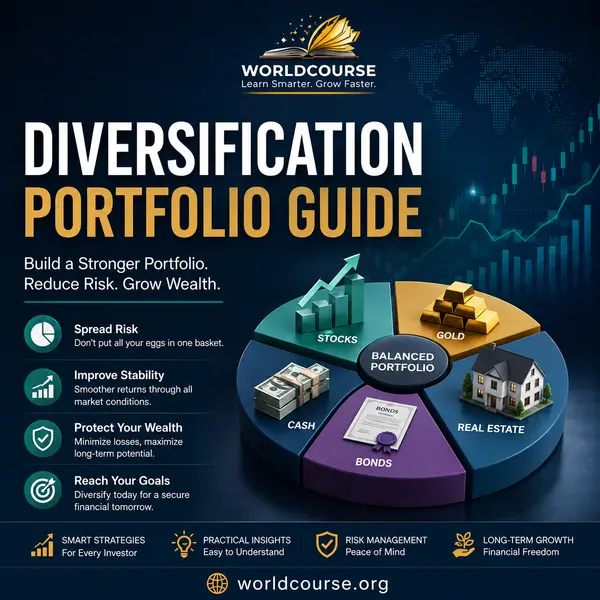
Most people think they’re diversified because they own several different stocks, or a handful of different funds. In reality, a lot of what looks like diversification on the surface is actually a portfolio full of assets that move together, offering far less real protection than it appears to. The Diversification Portfolio Guide exists to fix that misunderstanding, walking you through what genuine diversification actually looks like, and how to build a portfolio that can meaningfully withstand market volatility.
This isn’t a guide telling you to “not put all your eggs in one basket” and leaving it there. It’s a structured, practical breakdown of how real diversification works, the mistakes that quietly undermine it, and how to build an allocation strategy that actually matches your goals.
Why Most People Diversify Incorrectly
The Illusion of Diversification
Owning ten different stocks feels diversified. But if all ten are in the same sector, reacting to the same economic conditions, that portfolio can move almost as one asset during a downturn, not ten independent ones. This is one of the most common and costly misunderstandings in personal investing.
Why This Matters More During Volatile Markets
During calm markets, weak diversification often goes unnoticed, since most assets tend to rise together anyway. It’s during downturns and volatile periods that the real difference between genuine diversification and its illusion becomes painfully clear, often at the worst possible time to discover it.
What You’ll Learn Inside the Diversification Portfolio Guide
This guide is structured around building genuine, effective diversification from the ground up.
Understanding Correlation Risk in Investing
What Correlation Actually Means for Your Portfolio
Before building a diversified portfolio, you need to understand correlation, how different assets move in relation to each other. This chapter breaks down correlation risk in plain language, showing why owning more assets doesn’t automatically mean more protection.
How to Identify Hidden Correlation
Learn practical ways to spot when assets that appear diversified are actually moving together, especially during market stress when correlations often increase unexpectedly across seemingly unrelated holdings.
How to Diversify Your Portfolio Properly
Diversifying Across Asset Classes
This section covers diversification beyond just individual stocks, including bonds, real estate, and other asset classes that tend to behave differently under varying economic conditions.
Diversifying Within Asset Classes
Even within a single asset class like stocks, diversification across sectors, company sizes, and geographic regions matters significantly, and this chapter covers how to think about that layer of diversification specifically.
Geographic and Sector Diversification
Learn why concentrating investments in a single country or sector, even a historically strong-performing one, can expose a portfolio to risks that broader diversification would otherwise reduce.
How Many Stocks Do You Actually Need for Diversification?
This chapter addresses one of the most commonly searched questions directly, covering the research and reasoning behind portfolio concentration versus diversification, and where diminishing returns on adding more holdings typically begin.
Common Diversification Mistakes to Avoid
Over-Diversification and Its Hidden Costs
Diversification can be taken too far, diluting a portfolio to the point where strong performers barely move the needle. This section covers how to recognize when diversification has become excessive rather than protective.
Rebalancing to Maintain True Diversification
A portfolio that was diversified at the start can drift significantly over time as different assets grow at different rates. This chapter covers how and when to rebalance to maintain your intended diversification.
Building an Asset Allocation Strategy That Fits Your Goals
The final section helps you translate these diversification principles into a personalized asset allocation strategy, based on your actual timeline, risk tolerance, and financial goals, rather than a generic one-size-fits-all model.
Who Is This Ebook For?
The Diversification Portfolio Guide is built for:
- Investors who assume they’re diversified but have never actually evaluated their correlation risk
- Beginners building their first investment portfolio and wanting to get diversification right from the start
- Anyone who experienced a larger-than-expected loss during a market downturn despite thinking they were diversified
- Long-term investors looking to periodically reassess and rebalance their existing portfolio
Why This Guide Is Different
Most diversification content repeats the same surface-level advice: own different things. The Diversification Portfolio Guide is different because it addresses correlation risk directly, the actual mechanism that determines whether diversification is real or illusory, giving you a genuinely useful framework instead of a repeated cliché.
Build a Portfolio That Can Actually Withstand Volatility
Diversification only works if it’s built correctly. With the Diversification Portfolio Guide, you get a practical, structured approach to reducing risk through genuine asset allocation, not just the appearance of it. Download it today and build a portfolio designed to hold up when it actually matters.
Frequently Asked Questions (FAQ)
Q1: What is the Diversification Portfolio Guide about?
It’s a practical ebook that teaches genuine portfolio diversification, covering correlation risk, asset allocation across and within asset classes, and common diversification mistakes that undermine real protection.
Q2: How many stocks do you actually need for diversification?
The guide covers this directly, explaining the research behind portfolio concentration versus diversification and where the benefit of adding more individual holdings typically starts to diminish.
Q3: What is correlation risk, and why does it matter for diversification?
Correlation risk refers to how different assets move in relation to each other. Assets that appear diversified but move together during market stress offer far less real protection than they seem to.
Q4: Can a portfolio be too diversified?
Yes, over-diversification can dilute a portfolio to the point where strong performers barely impact overall returns. The guide covers how to recognize when diversification has become excessive.
Q5: Does this guide cover asset classes beyond stocks?
Yes, it covers diversification across asset classes including bonds, real estate, and other categories that tend to behave differently under varying economic conditions, not just diversification within stocks alone.
Q6: How do I access the ebook after purchasing it?
After purchase, you’ll get instant digital access to download the ebook, readable on any device including your phone, tablet, or computer.
Explore More on WorldCourse
- Build a real risk management system with the Modern Traders Risk Playbook
- Go deeper on advanced risk with the Risk Management Deep Dive
- Compare tax-efficient investing options in ISA vs Spread Betting: UK Guide
- Related read: What Is Coast FIRE? How to Know If You’ve Reached It
- Browse more ebooks and guides on WorldCourse
- Have questions about this ebook? Contact our support team



Reviews
There are no reviews yet.